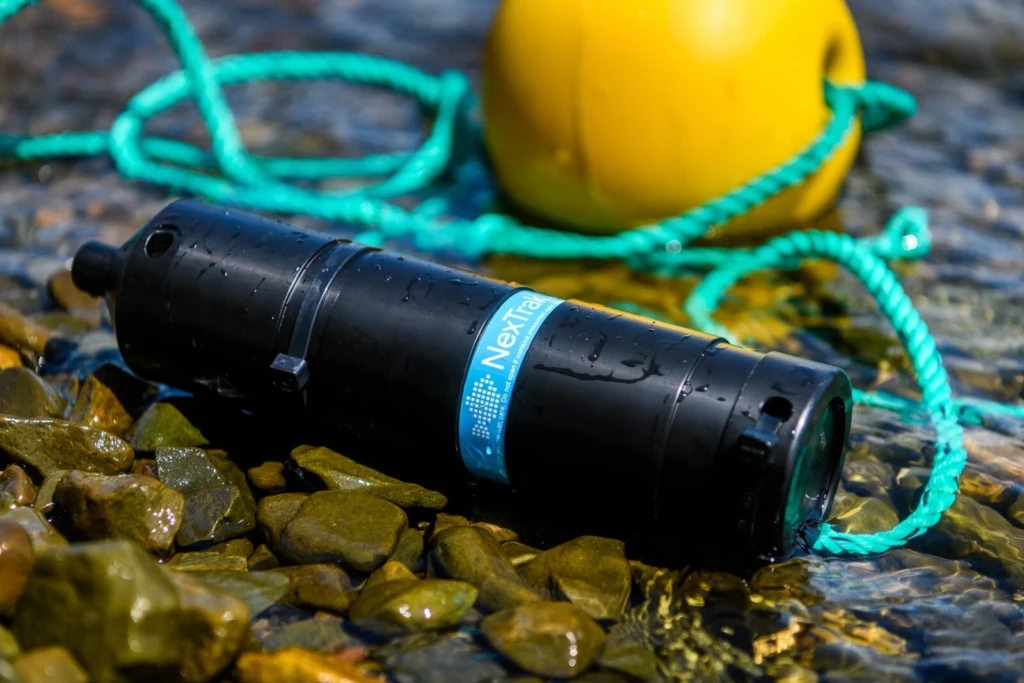

Acoustic Tags
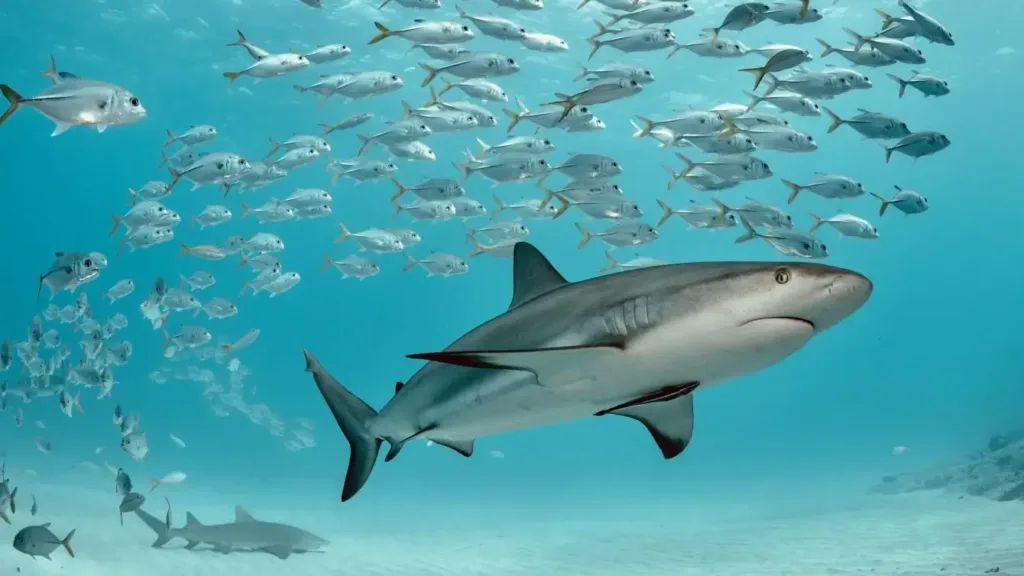
Acoustic transmitters unlock the story of aquatic animals
All aquatic animals have a story to tell and biologists and other researchers use acoustic transmitters as the key to unlocking that story.
Innovasea’s fish tracking tags transmit a precise interval or identification code to provide essential presence/absence data for a specific area and time. When equipped with sensors, they provide additional information about the behavioral state of the animal and its environment.
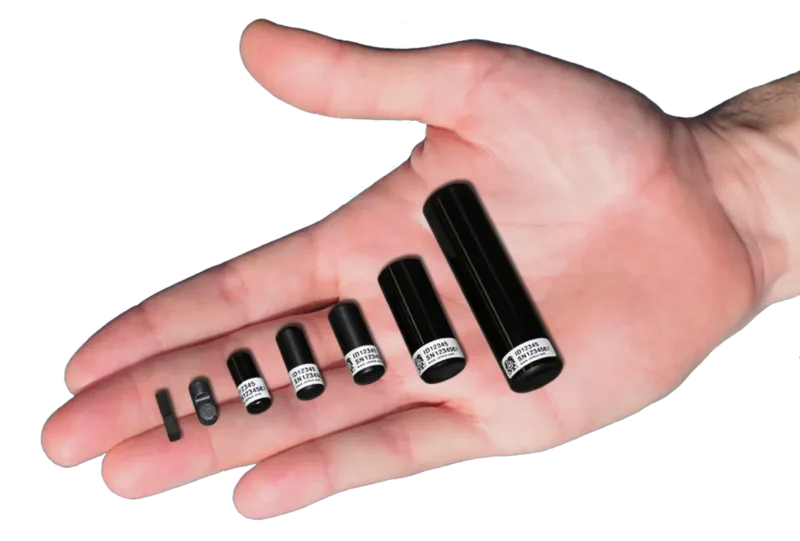
Transmitters come in a range of sizes and frequencies
In general, larger fish tags produce more power, which translates to greater detection range and longer life. As acoustic tags get smaller, so do their batteries, resulting in shorter life and smaller detection ranges.
Consider the following factors when deciding what model to use:
- Species size and tolerance to tagging (to minimize burden on animals)
- Type of study
- Length of deployment
- Desired transmission rate
- Receiver spacing
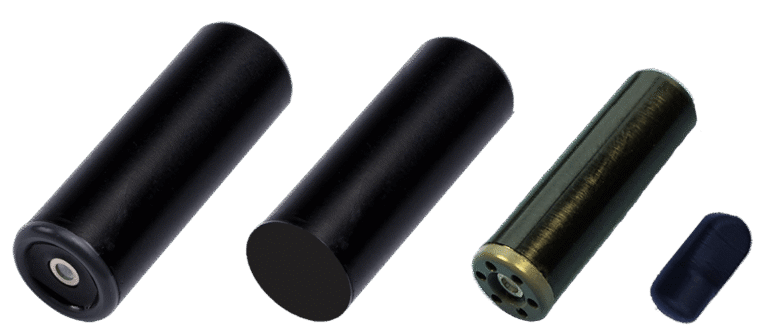
Coded transmitters 69 kHz
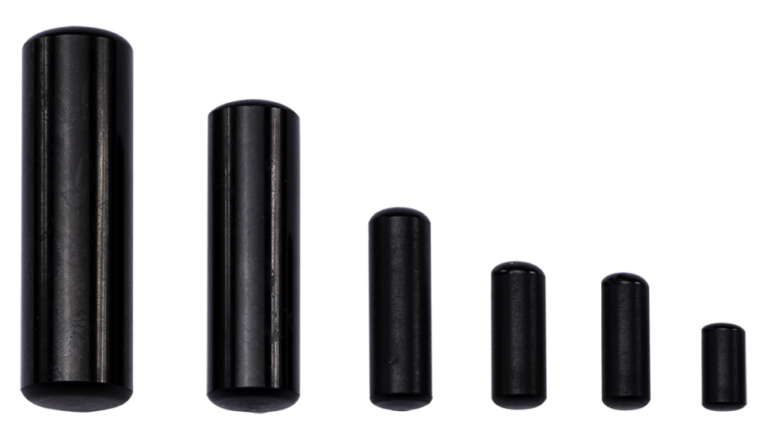
Coded 69 kHz transmitters provide researchers with the means to monitor the movement and behavior of a wide variety of aquatic animals. Available in a range of sizes and battery models, the tags can be used in studies lasting anywhere from a month to several years.
Diameter 6.3 – 16 mm
Length 13 – 98 mm
Weight in Air 0.9 – 37 g
Weight in Water 0.5 – 16.5 g
Power Output
dB re 1 µPa @ 1m
137 – 162
Coded transmitters 180 kHz
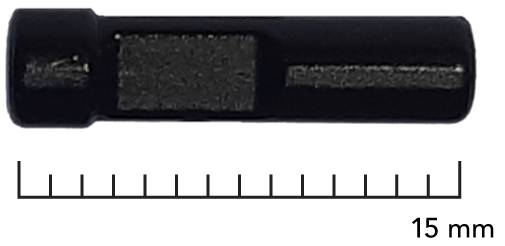
180 kHz coded transmitters provide researchers with the means to monitor the movement and behavior of small- to medium-sized animals, from salmon smolts and arctic cod to various reef species. Available in a range of sizes and battery models, 180 kHz tags can be used in studies lasting anywhere from a month to two years.
Diameter 5 – 9 mm
Length 12.7 – 26.5 mm
Weight in Air 0.66 – 3.9 g
Weight in Water 0.40 – 2.2 g
Power Output
dB re 1 µPa @ 1m
141 – 143
Coded transmitters 307 kHz
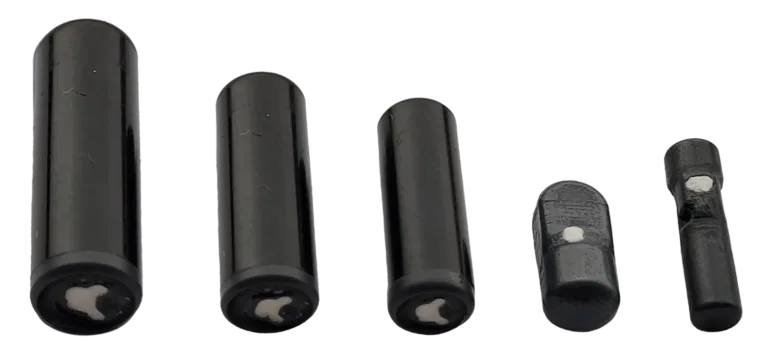
Weighing just under 0.3 grams, the V3 307 kHz tag is designed for high noise and high flow environments, such as those found around hydropower facilities. The 307 kHz system allows researchers to tag more fish simultaneously due to the detection capabilities of the tag’s transmission system.
Diameter 4 mm
Length 15 mm
Weight in Air 0.3 g
Weight in Water 0.15 g
Power Output
dB re 1 µPa @ 1m
141
Predation transmitters
Innovasea’s patented predation tags give researchers the ability to study the predator/prey relationship between species. The tag features a special polymer that disintegrates when it comes in contact with stomach acids. Once the tag has detected stomach acid, it can signal this event and keep track of the elapsed time since the predation event occurred.
Learn more about the world’s smallest predation tag – the V3D
Diameter 4 – 9 mm
Length 12.7 – 31.5 mm
Weight in Air 0.66 – 5.0 g
Weight in Water 0.40 – 3.0 g
Power Output
dB re 1 µPa @ 1m
141 – 162
Accelerometer transmitters
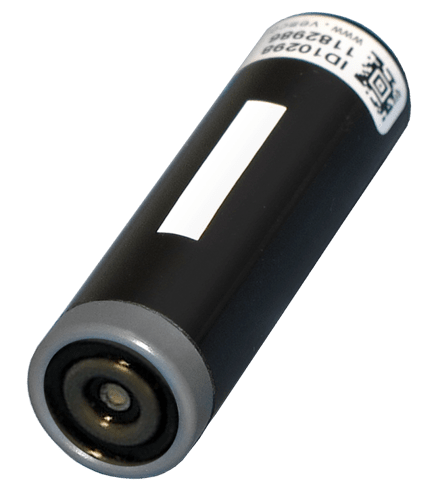
Accelerometer transmitters measure the activity of a free ranging animal by monitoring 3D acceleration as the animal moves within a receiver array. Accelerometer tags operate in one of two modes:
- Activity Algorithm – measures the general activity index of the body of a fish, or
- Tailbeat Algorithm – measures the undulation of a specific appendage (usually the tail)
Diameter 7 – 16 mm
Length 21.5 – 95 mm
Weight in Air 1.8 – 34 g
Weight in Water 0.9 – 14.9 g
Power Output
dB re 1 µPa @ 1m
137 – 158
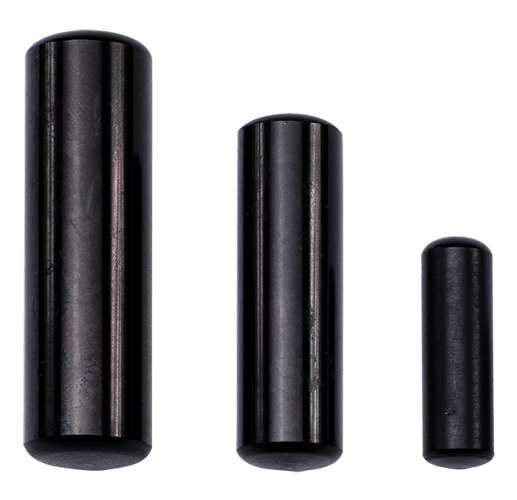
Continuous transmitters
Continuous transmitters provide researchers with the means to actively track the movement patterns of a broad range of aquatic animals. In continuous transmission mode, the acoustic ping is sent at a fixed rate that is set at the factory (typically between one and three seconds).
Diameter 9 – 16 mm
Length 24 – 98 mm
Weight in Air 3.6 – 36 g
Weight in Water 2.0 – 16.5 g
Power Output
dB re 1 µPa @ 1m
146 – 162
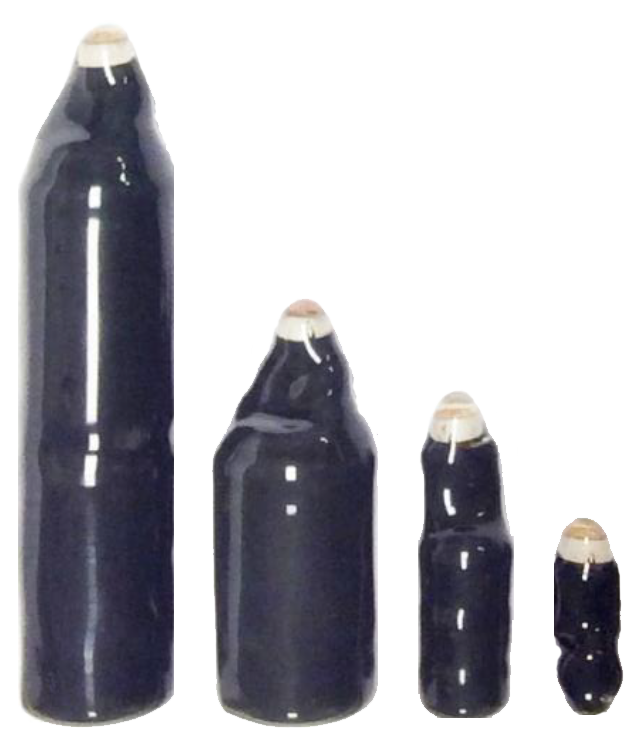
HTI coded transmitters 307 kHz
HTI coded 795-Series acoustic transmitters are ideal for monitoring fish in freshwater environments. They are especially suited for use in high flow, high noise environments, such as those found around hydroelectric facilities.
They provide an efficient means for detecting fish presence or remotely tracking fish in 2D and 3D in fine-scale resolution up to 20 centimeters. They can be detected at ranges of up to one kilometer.
Diameter 6.8-16mm
Length 20 – 69 mm
Weight in Air 1.1 g – 24 g
Weight in Water 0.55 – 14 g
Power Output
dB re 1 µPa @ 1m
149 – 152