
The species selection process is a critical component for any fish farm. Making the “ideal” selection can set sites up for long-term success, while going with a suboptimal choice often leads to higher production costs, logistical hurdles, and slow sales growth.
Innovasea is leading a Sea Grant-funded project to plan, derisk, and pre-permit an open ocean commercial finfish farm by 2028 off the west coast of Puerto Rico. As part of this grant, Innovasea will create and share detailed reports outlining the process and results for 10 key decisions.
This blog will provide a brief overview of the process and how the Innovasea team, in partnership with the team in Puerto Rico, assessed several species, with an emphasis on the following four options: red snapper (Lutjanus campechanus), almaco jack (Seriola rivoliana), red drum (Sciaenops ocellatus), and Florida pompano.
For more in-depth analysis, you can download the complete species selection report in English or Spanish using the links at the bottom of the page.
Species selection criteria
Each species was evaluated and assessed on three elements of sustainability:
- Environmental preferences versus site conditions: How compatible is the species with the site conditions, and what growth rates and stress events are expected?
- Technological readiness: Is the equipment, infrastructure, and industry knowledge available to effectively grow the species?
- Current market dynamics: Does consumer demand exist? Does the price point support the business case?
For more information on these three categories, be sure to read our previous blog: Refining the Process for Species Selection in Open Ocean Aquaculture.
Evaluating species options
Red snapper (Lutjanus campechanus)
As one of the region’s most culturally significant fish species, red snapper has a strong, preexisting market demand and premium pricing. Related species have been successfully farmed in the tropics, and emerging seedstock options show promise for a consistent supply.
However, despite high market demand, this species has never been produced on a commercial scale. Additionally, while there is optimism around new options, there is currently a lack of established juvenile production.
Almaco jack (Seriola rivoliana)
Almaco jack has a strong market value and proven production methods with successful commercial farms operating in Hawaii and Mexico. The species would grow quickly and effectively in Puerto Rico’s warm waters.
Conversely, the species is prone to parasites, which are more likely to occur at warmer temperatures, requiring constant monitoring and regular treatments. Furthermore, Almaco jack competes directly with other Seriola species in the sushi and white-tablecloth markets, so competition is fierce despite wide acceptance.
Red drum (Sciaenops ocellatus)
A hardy and adaptable species, red drum can tolerate a wide range of water temperatures and salinity levels. What’s more, there are well-established farming and broodstock management practices, with the added ability to spawn year-round.
The market for red drum is limited and highly regional. Adding new supply could depress market prices. Competing with farms located closer to markets in the Gulf States could lead to unacceptably low margins, and would make the farm more susceptible to price shocks.
Florida pompano
Florida pompano would thrive in the area’s warm waters and has previously been commercially produced at small scales. Additionally, the species can enjoy a premium price point, particularly among sport anglers in the Southern US.
However, overall market demand is severely limited, and growing it would require extensive investment in sales and marketing. Further, it is still a new species to aquaculture and, despite commercial production, has a lot of uncertainty surrounding production efficiencies and sources of fingerlings.
Innovasea’s recommendation: Red snapper
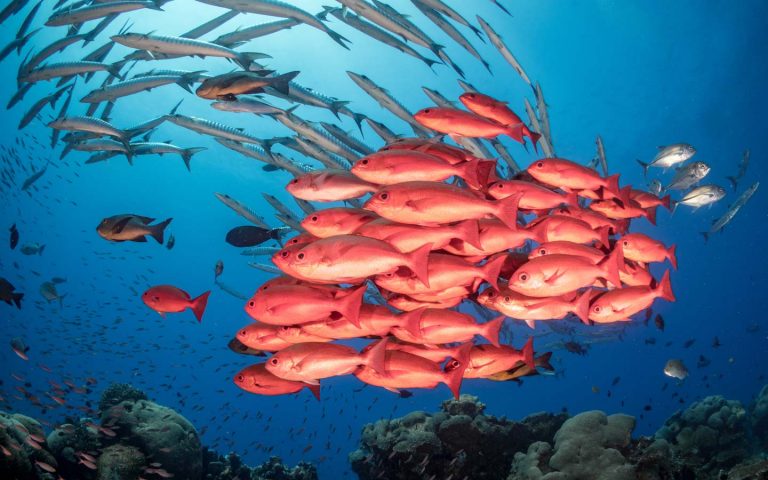
While red snapper does not have a track record of production, which creates risk on several fronts, the large market and high sales make it the leading candidate for the project. Further, options for juvenile supply and a sales partner have already been identified and are being evaluated, which would address two major aspects of the project.
If the farm is uncomfortable with the stated risks, both Almaco jack and red drum are highly viable alternatives.
The future project outputs will explore and hopefully find mitigating strategies to address these risks.
Download the complete report
For more in-depth analysis, download the complete report species selection paper: