Biomass estimation continues to evolve, driven forward by rapid advances in technology. Modern solutions now enable operators to quickly, accurately and autonomously collect size and weight data without manually handling fish or the risks that come with it.
These solutions are also becoming more flexible. Lightweight, multi-species cameras can be easily deployed and moved around, helping operators produce biomass data for multiple pens with significantly lower effort than manual sampling.
This offers a clearer picture of growth rates across the farm rather than relying on data from a limited portion of their stock. With greater visibility, operators can more effectively identify improvements and address environmental issues, driving repeatable enhancements throughout the farm.
Video from Innovasea’s BiomassPro solution
Effective biomass sampling, regardless of the solution, starts with understanding your species’ behavior and accounting for the biological factors that influence where, when, and how fish are sampled.
In this blog, we’ll explore some of the key factors that can impact biomass sampling.
A quick look at biomass automation
Innovasea’s BiomassPro solution uses an AI-powered camera to automatically detect and measure fish as they swim past. Using these samples, the system estimates fish size and weight and then processes the data to be viewed in our cloud-based platform, Realfish Pro.
Farm managers can then quickly analyze trends, such as growth and weight distributions or changes to FCR over time, to assess performance and guide future operations.
Accounting for camera positioning
Where a biomass camera is deployed can have a major impact on sample quality. The goal isn’t simply to maximize the number of samples collected. It’s to position the camera where it can capture a representative view of the population. Placing a camera too close to the net or too high in the water column, for example, can result in a biased representation.
For the best results, operators should consider factors including specific species’ “swimming” behavior, along with depth, location and environmental conditions.
Key considerations ahead of camera deployment should include:
- Distance: Position the camera so fish pass approximately 0.5–2 m from the lens
- Duration: Aim for approximately 3 hours of sampling
- Sample size: Target approximately 1,000+ quality samples
- Conditions: Account for light, visibility and water quality, which can affect camera performance
Factoring in fish behavior to maximize accuracy
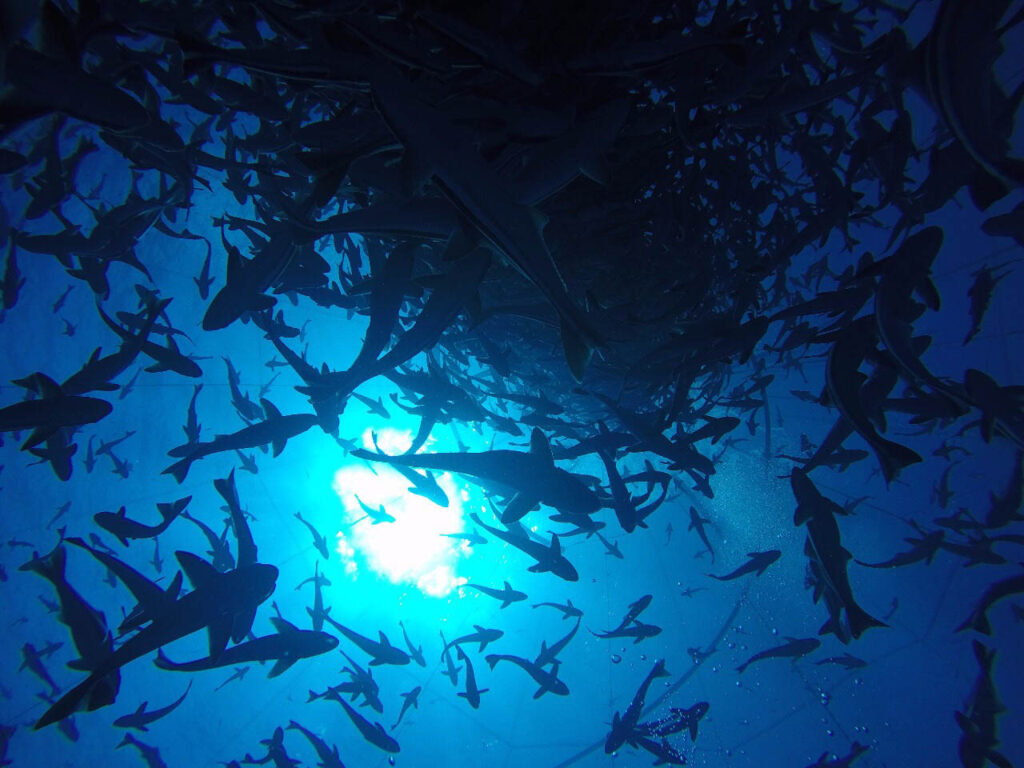
Fish behavior can also have a significant impact on biomass accuracy and which fish the camera detects. If this is not accounted for, samples can overrepresent certain portions of the population, leading to biased results.
Let’s take cobia, for example, whose behavior fluctuates greatly based on hunger status.
Before feeding, Cobia use most of the pen, with the largest and most aggressive feeders tending to gather near the feed disperser. During feeding, they concentrate into a feed ball. After feeding, they’ll exhibit schooling behavior, with the larger fish moving toward the middle or lower portions of the pen.
To obtain a more complete representation of the broader population, operators should sample pre- not post-feeding.
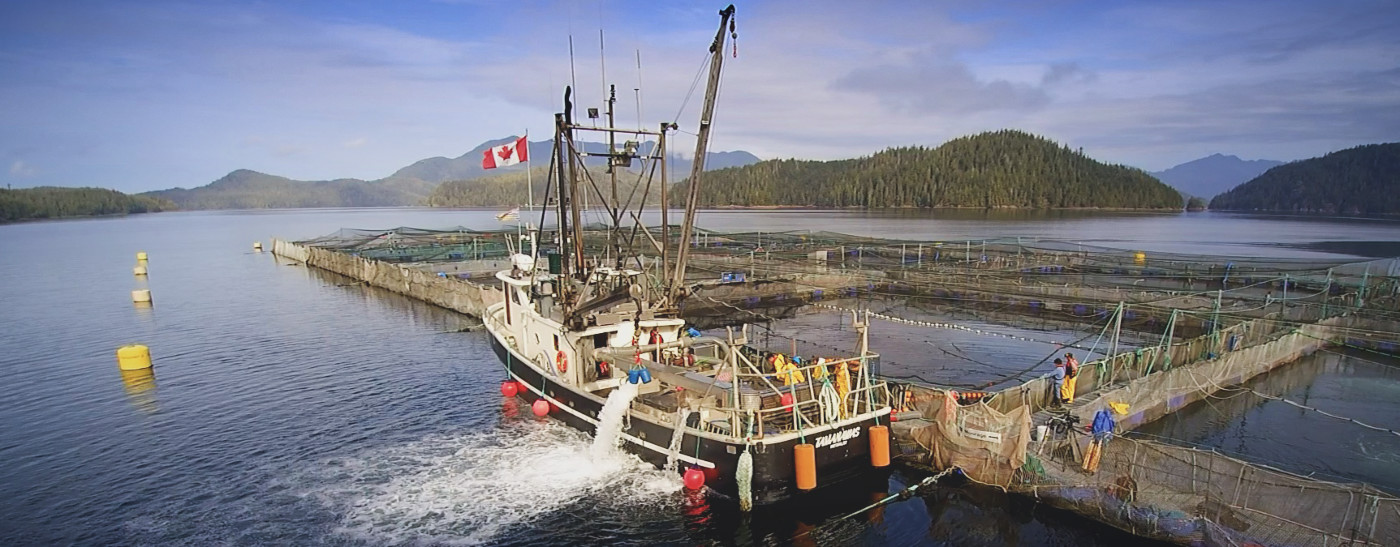
Learn how we partnered with Creative Salmon to streamline operations through BiomassPro.
Learn MoreTurning data into actions
Biomass estimation will continue to evolve, but that doesn’t mean we should abandon the fundamentals of effective sampling. By accounting for camera position, environmental conditions and fish behavior, operators can build a more representative picture of what’s happening across their farm(s).
Contact Innovasea today to learn how our biomass solution can lead to more sustainable, data-driven improvements.