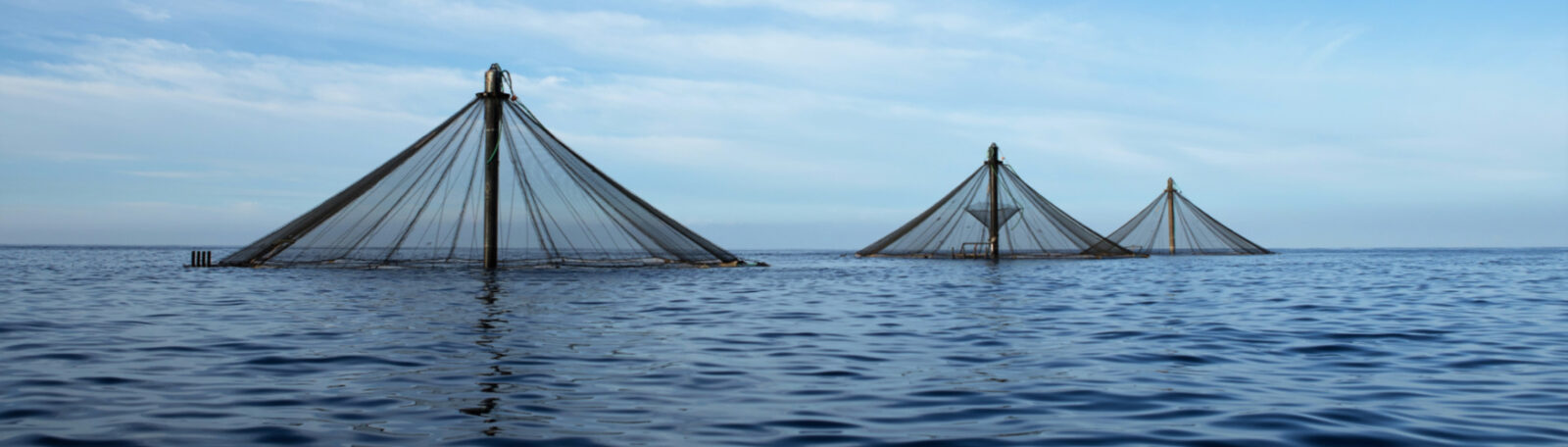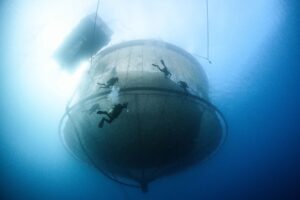
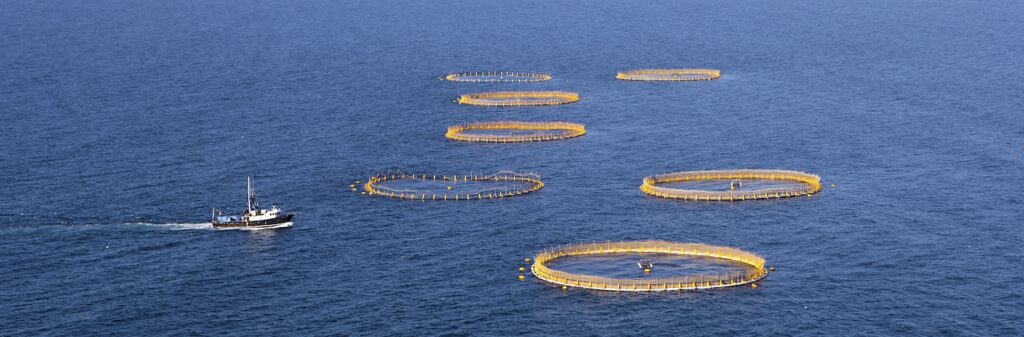
Open net pens have traditionally been the only platform for farming fish in the ocean on a commercial scale. However, as farms face diseases issues – from sea lice and other parasites – mixed with a desire for more control over the rearing environment, new pen concepts are gaining traction in the commercial sector.
The most popular new designs are closed and semi-closed pen concepts which use impermeable pen walls over parts of, or the entire pen, to restrict water exchange with the surrounding area. These innovations are designed to better meet emerging environmental regulations and create a safer, more optimal situation for fish to thrive. However, while each design offers unique benefits, there are also tradeoffs farm operators need to be aware of.
In this blog, we’ll explore some of these benefits and drawbacks, with a focus on replenishing depleted oxygen.
Understanding how each pen concept works
Open net pens
Open net pens allow for an unrestricted exchange of water throughout. Pumps are not typically necessary in this design, as the ocean current will naturally facilitate effective circulation.
Given their design, open pens are less expensive on a per volume basis and simpler to operate but subject fish to the environmental conditions that exist at the site.
Semi-closed net pens
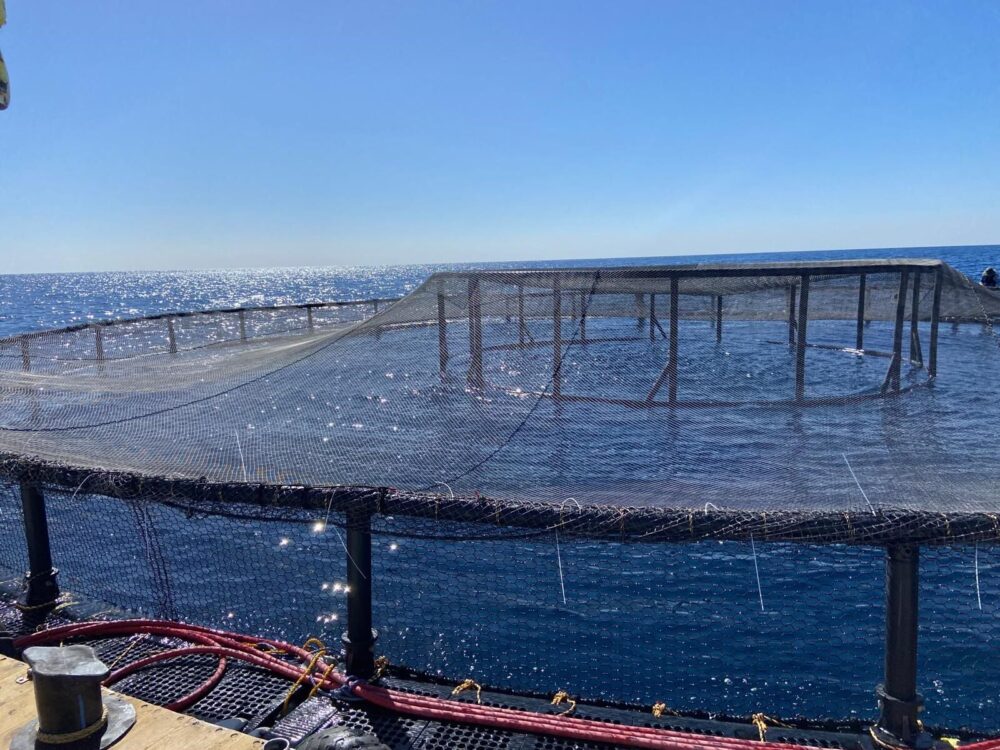
Semi-closed net pens usually have a barrier around the top few meters of the pen, where parasites and algae are found in much higher concentrations, and temperatures fluctuate widely.
The barrier limits the fish’s exposure to these stressors but allows free water exchange at the bottom of the pen. The systems may use pumps or aeration to increase water exchange or circulation, striking a middle ground between open and closed containment solutions.
Closed containment pens
Closed pens have no free water exchange with the environment and need active pumps to exchange water. Water is usually drawn from deep in the water column (20 meters or more below the surface) and may be filtered as well.
Closed pens are more expensive and require skilled operators to use the sensors and systems involved. However, they offer a more stable growing environment – like those seen in RAS facilities – and less exposure to stressors such as algae and parasites.
Oxygen impact in open, semi-closed and closed pen systems
Restricting water exchange creates an issue with oxygen availability since fish will deplete the oxygen in a fixed water volume quite quickly. Harvest-size fish that have just been fed can consume the oxygen in a pen within minutes!
For farm managers, understanding each concept’s impact on oxygen dynamics is critical to ensure fish have optimal levels to thrive.
Oxygen dynamics in open net pens
In an open net pen, the natural ocean currents will flush out the deoxygenated water and bring in new, fresh water. However, supplemental oxygen is still used in some cases, such as during stressful farm operations, when environmental conditions are too warm or the incoming water has low oxygen.
Farmers will deploy air diffusers into the pen as needed and pump air or oxygen to increase the dissolved oxygen (DO) levels. It’s not economical to do this all the time, so it’s only a responsive action to certain conditions to keep the fish healthy and happy.
Oxygen dynamics in semi-closed net pens
Semi-closed systems face amplified versions of the issues found in open net pens. Water exchange through the open area at the bottom of the pen supplies most of the oxygen needs, with aerators or air pumps providing supplemental air or mixing.
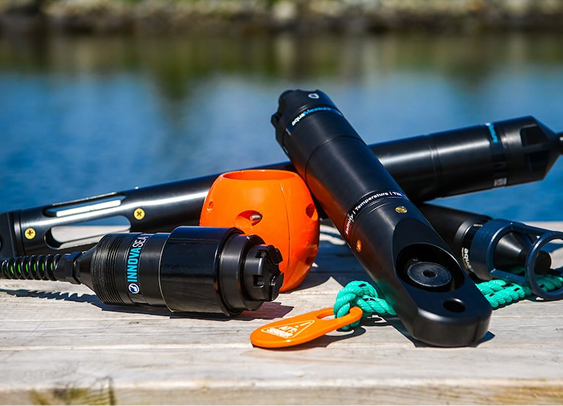
Temperature and oxygen sensors are particularly important to detect changes in oceanographic conditions quickly so operators can take appropriate action and protect their fish. With less water exchange in the pen, fish are particularly vulnerable to low O2 levels.
Oxygen dynamics in closed containment pens
Fully closed systems create a different dynamic since all water exchange is actively pumped through pipes. Additionally, the water has a longer resident time in the pen before it is pumped back out into the environment. This makes it easier and more worthwhile to condition the incoming water.
The incoming water will be supersaturated with oxygen – either by pumping in a high O2 gas (or pure oxygen) or by pumping air into water in a mixing chamber under pressure.
Specialized systems are required to add and monitor oxygen into these pens, which adds cost and complexity but also creates a highly controlled and optimized environment for growing fish. The amount of oxygen added to the system can be adjusted based on demand.
For example, after feeding, fish consume more oxygen than normal so the oxygen or air flow rate into the system can be increased. Or, if the oxygen content in the incoming water decreases, operators can make up for this without the fish being exposed to stressful hypoxic conditions.
Optimizing aquaculture operations through smart pen selection
As you can see, each pen concept offers a tradeoff. No design is innately better than the others, but one may be more appropriate for a particular environment or business plan.
Before selecting a system, farm managers must consider a wide array of factors, ranging from available capital to the local labor pool.
Innovasea’s team of expert aquaculture professionals can help site managers evaluate their options and, when needed, design complementary solutions that can help each site effectively account for and address its specific needs. With the right monitoring tools, planning, and management practices, all of these systems can provide optimal growing conditions.